TOYOTA 12371-28180 Rear Engine Mounting Insulator
fits make: Toyota.
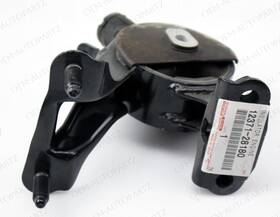
( Manufacturer Part Number: 12371-28180 ), ( Part Type: Engine Mounting Insulator ), ( Description: Insulator, Engine Mounting, Rear ), ( Manufacturer Warranty: 1 Month ), ( Universal Fitment: No ), ( Country Of Origin: Japan )
Review TOYOTA Oem Genuine Rear Engine Mounting Insulator New
The **Toyota 12371-28180 Rear Engine Mounting Insulator** is a precision-engineered, high-performance rubber isolator designed specifically for Toyota vehicles equipped with the 2JZ-GTE or 1JZ-GTE inline-six engine configurations, commonly found in models like the Supra (A80/A90), Celica GT-Four (E80/E90), and early-generation Lexus SC430. This component serves as a critical link between the engine block and the vehicle s chassis, playing a vital role in reducing vibration, noise, and harshness (NVH) while ensuring optimal engine stability during both stationary operation and dynamic driving conditions. Crafted from a durable, high-grade rubber compound reinforced with internal steel or fiberglass reinforcements, the insulator is engineered to withstand the extreme forces generated by high-performance engines, including those subjected to forced induction, aggressive throttle inputs, or prolonged high-RPM operation. Its unique conical or tapered design allows for precise alignment with the engine s mounting points, minimizing lateral movement and preventing excessive wear on the engine s crankshaft or transmission interfaces. The insulator s robust construction also helps dampen torsional vibrations, which are particularly pronounced in naturally aspirated or turbocharged applications, thereby enhancing drivability and prolonging the lifespan of related components such as the transmission, subframe, and suspension. Whether installed in a stock application for improved comfort or in a heavily modified setup for enhanced reliability, this part is a straightforward yet indispensable upgrade for enthusiasts seeking to refine their vehicle s performance and longevity. Proper installation requires careful attention to torque specifications and alignment, ensuring the insulator is securely fastened to both the engine and chassis without distortion, as improper fitting can lead to premature failure or compromised engine support.
### Pros and Cons of buying a Toyota Part Number 12371-28180 (Rear Engine Mounting Insulator)
#### **Pros:**1. **Compatibility** This part is specifically designed for Toyota vehicles, ensuring a proper fit without modifications. It is likely intended for models like the 4Runner, Land Cruiser, or other Toyota SUVs/trucks with a rear-mounted engine or transfer case.
2. **Noise and Vibration Reduction** Engine mounts (including the rear insulator) help dampen engine vibrations and road noise, improving cabin comfort. A worn or damaged insulator can lead to rattling or excessive movement, so replacing it restores smooth operation.
3. **Prevents Further Damage** A failing insulator can cause excessive stress on the engine, transmission, or frame mounts, potentially leading to costly repairs if ignored. Replacing it early can prevent secondary issues.
4. **Improves Driving Feel** A properly functioning insulator ensures the engine remains stable, contributing to better handling and a more refined driving experience.
5. **OEM Quality** As an original equipment manufacturer (OEM) part, it meets Toyota s engineering standards, offering durability and reliability comparable to the original component.
6. **Easy Installation** Engine mounts are relatively straightforward to replace, especially if you have basic mechanical experience or access to a lift. Many DIYers can complete the job in a few hours with the right tools.
7. **Long-Term Cost Savings** While the part itself may not be cheap, replacing it proactively can avoid more expensive repairs down the line, such as damaged mounts, frame rails, or transmission issues.
---
#### **Cons:**1. **Cost** OEM parts like this insulator can be expensive, often ranging from $100 to $300 or more, depending on the vehicle model and labor costs if professional installation is required. Aftermarket alternatives may be cheaper but could compromise quality.
2. **Labor Intensity** Replacing a rear engine mount often requires lifting the vehicle, disconnecting components (like the exhaust or driveshaft), and securing the engine or transfer case. This can be time-consuming and physically demanding, especially for those without mechanical experience.
3. **Potential for Counterfeit Parts** Purchasing from untrusted sellers (e.g., eBay, Facebook Marketplace, or unlicensed online stores) risks receiving counterfeit or low-quality parts that may fail prematurely or not fit correctly.
4. **Additional Wear Indicators** If the insulator is failing, other mounts (front or rear) may also be worn. A mechanic might recommend inspecting or replacing them simultaneously, increasing costs.
5. **Vehicle-Specific Challenges** Some Toyota models (particularly older or high-mileage ones) may have additional complications, such as rusted bolts, seized components, or alignment issues after replacement, requiring extra effort to resolve.
6. **Warranty or Recall Considerations** If your vehicle is still under warranty, replacing an OEM part may void coverage for that component. Always check with Toyota or your dealer before proceeding.
7. **Aftermarket Alternatives May Not Be Equal** While aftermarket insulators can be cheaper, they may lack the same durability or noise-dampening properties as OEM parts. Poor-quality alternatives could lead to recurring issues.
---
### **Conclusion:**The Toyota 12371-28180 rear engine mounting insulator is a critical component that, when replaced, can significantly improve drivability, comfort, and long-term reliability. The decision to buy and install it depends on your vehicle s condition, budget, and mechanical comfort level.
If your vehicle exhibits symptoms like excessive engine movement, rattling noises, or a rough ride especially from the rear replacing the insulator is a prudent investment. The OEM part ensures compatibility and quality, but the labor and potential for additional wear must be considered.
For those with mechanical skills, purchasing the part and installing it themselves can save money. However, if the job seems daunting or if other mounts are also worn, consulting a professional mechanic may be wise to avoid further complications.
### **Recommendation:**- **Buy the OEM part** if you prioritize quality and longevity, especially for high-mileage or heavily used vehicles.
- **Purchase from a trusted source**, such as a Toyota dealership, authorized parts distributor, or reputable online retailer (e.g., RockAuto, Amazon, or local auto parts stores with return policies).
- **Consider aftermarket options** only if you re on a tight budget and can verify the brand s reputation (e.g., Monroe, Gates, or other well-reviewed manufacturers).
- **Inspect other mounts** during installation if they re worn, replace them to prevent future issues.
- **Document the condition** of the old insulator before disposal, as some states require proper disposal of automotive fluids or parts.
- **If unsure about installation**, seek professional help to ensure the job is done correctly and safely.
Ultimately, replacing a failing rear engine insulator is a cost-effective way to maintain your vehicle s performance and prevent more serious (and expensive) problems later. Prioritize quality and proper installation to maximize the part s lifespan.
Details:
Fast and free shipping.
part #: 1237128180 prices
- $82.61-$132.61
specifications engimou:
- for makes: Toyota
- mpn: 12371-28180
- part type: Engine Mounting Insulator
- description: Insulator, Engine Mounting, Rear
- manufacturer warranty: 1 Month
- universal fitment: No
- country of origin: Japan
offer engimou:
- quantity: 1
- sold: 0
- options: Ship-to-home
- availability: In Stock
- started: April 7, 2026
shipping engimou:
- transit: 16-20 Days
- type: Fixed
- service: USPS Ground Advantage
- cost: $0.00
- carrier: USPS
- class: Standard
seller engimou:
- city: Shirley, New York
- rating: 99.9%
- # reviews: 18904
general engimou:
- condition: New
- Car Truck Parts Accessories > Engines Engine Parts > Engine Mounts
payments engimou:
- wallet: Paypal
- other
- credit card: Mastercard
returns engimou:
- paid by: Seller
- time: 30 Days
- policy: Returns Accepted
Toyota 12371-28180 Is Similar To:
- 0g151331 Toyota Oem Prius Fwd Hybrid Automatic Transmission Flywheel (30.1% similar) Make sure to inspect the item thoroughly in pictures above before buying. What you see in the pictures is exactly get, unless mentioned otherwise...(November 7th, 2018)
- 104-1520 Engine Mount Rear Fits Toyota Camry (34.9% similar) Our team of certified car quest counter pros are Best in the biz. So forget the rest and try Best. You won't be disappointed...(September 12th, 2018)
- 104-1808 Engine Mount Front Fits Toyota (40.4% similar) Location: RM1, box 15...(August 20th, 2018)
- 104-1903 Engine Torque Strut Fits Toyota Camry (23.4% similar) Brand: beck anally part number: item condition: new: engine torque strut manufacturer brand quantity needed: 1 position: front...(September 2nd, 2018)
- 104-2185 Engine Torque Strut Fits Toyota Sienna (28.6% similar) All parts come with a 1-YEAR warranty and 30-DAY return period. That section provides detailed information about the part and compatible vehicles...(March 6th, 2019)
- 104-2312 Engine Mount Front Fits Toyota Prius (36.4% similar) At adopts...(September 11th, 2018)
- 104-2352 Engine Mount Rear Fits Toyota (38.8% similar) Telephone hours 9:00 am - 5:00 pm est. Wiki auto parts inc. Engine mount rear beck anally fits toyota RAV4 if you want to do not hesitate fill out our form and team will attend as soon possible...(November 17th, 2018)
- 1166 Rodatech Engine Motor Mount For Toyota Paseo Tercel Front Right (30.1% similar) Each product is quality inspected and 100 tested. Shipping our free offer is only valid for the continental USA. Oe-comparable mounting provisions ensure precise fit. 5l 4 speed this item includes: one year warranty. Matrix parts service corp. Parts free of any damages and must have all hardware. ...(December 11th, 2018)
- 12305-21060 Toyota Engine Mount (39.6% similar) ...(April 23rd, 2018)
- 12305-22240 1230522240 Autoacer Engine Mount New Motor For Toyota Corolla Matrix Pontiac (35.3% similar) Brand new premium quality fits oem...(June 2nd, 2018)
- 12305-28220 Toyota Scion Genuine Side Bracket (38.2% similar) Shipping carrier substitutions may be made at our determination in an attempt to reduce cost the customer. Manual trans. Electrical parts are not returnable. Parts must be resalable and in the original packaging...(March 18th, 2019)