TOYOTA / LEXUS 12371-62120 Automatic Transmission Mount Insulator
fits make: Toyota.
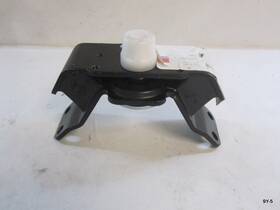
( Brand: Toyota / Lexus ), ( Manufacturer Part Number: 12371-62120 ), ( Type: Oem Original Genuine ), ( Description: Insulator, Engine Mounting, Rear No.1 ), ( Found In: Land Cruiser Prado 4runner Hilux Surf ), ( Country Of Origin: Japan )
Review TOYOTA / LEXUS Genuine Oem Automatic Transmission Mount Insulator
The **Toyota/Lexus 12371-62120 Automatic Transmission Mount Insulator** is a precision-engineered rubber isolator designed specifically for use in the transmission support system of select Toyota and Lexus vehicles, ensuring optimal performance, durability, and ride comfort. This high-quality rubber mount insulator plays a critical role in isolating transmission vibrations and shocks from the vehicle s chassis, thereby reducing road noise, preventing premature wear on drivetrain components, and enhancing overall driving smoothness. Crafted from a specialized, high-density rubber compound, this mount is engineered to withstand extreme temperatures, constant dynamic stress, and prolonged exposure to harsh environmental conditions whether in scorching heat, freezing cold, or humid climates without compromising its structural integrity or elasticity. Its robust construction minimizes metal-to-metal contact between the transmission and suspension, thereby extending the lifespan of both the transmission and the vehicle s undercarriage while absorbing the harsh impacts that occur during acceleration, braking, and rough road conditions. Ideal for applications in vehicles equipped with automatic transmissions, this mount is a direct-fit replacement for the original equipment manufacturer (OEM) part, ensuring seamless compatibility with the transmission crossmember and transmission housing. Whether used in maintenance, repair, or upgrade scenarios, this insulator is a vital component for maintaining the longevity and reliability of the powertrain, making it an indispensable choice for mechanics, DIY enthusiasts, and fleet operators seeking to preserve their vehicles performance and resale value.
Buying a replacement **Toyota/Lexus automatic transmission mount insulator (part number 12371-62120)** involves weighing several factors to determine whether it s the right choice for your needs. Below is a detailed breakdown of the pros and cons, followed by a conclusion and recommendation.
---
### **Pros of buying a Part**
1. **Compatibility and Fitment**
The part is specifically designed for Toyota and Lexus vehicles, ensuring an exact fit with the transmission mount system. This reduces the risk of misalignment or improper installation, which could lead to further damage or drivability issues.
2. **Quality and Durability**
Toyota and Lexus parts are generally built to high standards, even for aftermarket or remanufactured components. A genuine or high-quality aftermarket insulator will provide better shock absorption and vibration dampening compared to cheaper alternatives, extending the lifespan of the transmission and related components.
3. **Prevents Transmission Damage**
A failing or missing mount insulator can cause excessive vibration, clunking noises, or even detachment of the transmission from the engine or frame. Replacing it proactively prevents costly transmission damage, which can be far more expensive to repair than a simple mount replacement.
4. **Improves Drivability**
A worn-out insulator can lead to a rough or unstable ride, especially during acceleration or shifting. Replacing it restores smooth operation, reduces unwanted noise, and enhances the overall driving experience.
5. **Warranty Coverage (if applicable)**
If purchasing from an authorized dealer or a reputable supplier, the part may come with a warranty. This provides peace of mind in case the insulator fails prematurely due to manufacturing defects.
6. **Easier Installation**
The part is designed to be a direct replacement, meaning it should fit seamlessly into the existing mount system without requiring extensive modifications. This simplifies the installation process, especially for DIYers with basic mechanical knowledge.
7. **Long-Term Cost Savings**
While the upfront cost may be higher than a generic part, investing in a quality insulator reduces the likelihood of recurring issues (e.g., transmission mounts, seals, or mounts failing due to vibration). This can save money in the long run by avoiding repeated repairs.
---
### **Cons of buying a Part**
1. **Higher Cost Compared to Generic Parts**
Genuine or high-quality aftermarket insulators are more expensive than generic or no-name alternatives. For budget-conscious buyers, this can be a significant drawback, especially if the vehicle is older or has lower resale value.
2. **Potential for Counterfeit or Low-Quality Parts**
The aftermarket is flooded with counterfeit or substandard parts, particularly for Toyota/Lexus components. Purchasing from untrusted sellers may result in a poorly made insulator that fails quickly or doesn t fit correctly, leading to additional problems.
3. **Labor Costs for Professional Installation**
While the part itself may be straightforward to install, some vehicles require specialized tools or access to remove the transmission or subframe. If you re not comfortable with the installation, labor costs at a shop can add to the total expense.
4. **Limited Availability of Genuine Parts**
Genuine Toyota/Lexus parts may not always be readily available, especially for older model years. This can lead to delays in ordering or the need to settle for aftermarket alternatives, which may not meet the same quality standards.
5. **Risk of Overkill for Minor Issues**
If the insulator is only slightly worn or the symptoms are mild (e.g., minor vibration), replacing it may be more than necessary. In such cases, the cost-benefit ratio might not justify the expense, and the part could last much longer than expected.
6. **Potential for Additional Repairs**
During installation, inspectors or mechanics might discover other related issues (e.g., worn bushings, loose mounts, or transmission fluid leaks) that require attention. This could increase the total repair cost beyond the initial insulator replacement.
7. **Time-Consuming for DIYers**
Depending on the vehicle s design, removing and reinstalling the transmission or subframe can be time-consuming, even for experienced DIYers. This may not be ideal for those with limited time or mechanical skills.
---
### **Conclusion**
The decision to buy the **Toyota/Lexus automatic transmission mount insulator (12371-62120)** depends on your priorities: **quality, longevity, and prevention of further damage** versus **cost and convenience**. If your vehicle is experiencing noticeable vibration, clunking noises, or transmission misalignment, replacing the insulator is a prudent investment to avoid more severe (and expensive) transmission issues. The part s compatibility, durability, and role in protecting the transmission make it a worthwhile upgrade for most owners.
However, if the symptoms are minor or the vehicle is older with lower value, weighing the cost against the potential benefits is essential. In such cases, a generic or aftermarket part might suffice, though with a shorter lifespan and less reliability.
---
### **Recommendation**
1. **Verify the Symptoms**: Confirm that the issue is indeed related to a failing mount insulator (e.g., vibration, clunking, or transmission movement). If other components (e.g., subframe, mounts, or transmission seals) are also worn, address them simultaneously to avoid repeated repairs.
2. **Source the Part Carefully**:- Purchase from **authorized Toyota/Lexus dealers**, **reputable aftermarket suppliers** (e.g., RockAuto, Dorman, or local specialty shops), or **trusted online marketplaces** (e.g., eBay with verified sellers).
- Avoid extremely cheap parts, as they may be counterfeit or low-quality.
- Check for **warranty coverage** if available.
3. **Consider Professional Installation**:If you re unsure about the installation process or lack the necessary tools, have a **trusted mechanic** perform the replacement. This ensures proper alignment and reduces the risk of further damage.
4. **Budget for Potential Additional Repairs**:Allocate extra funds for inspecting and replacing any related components (e.g., subframe mounts, transmission seals) that may have been affected by the failing insulator.
5. **DIY vs. Professional**:- **DIY**: If you re comfortable with basic transmission or suspension work, replacing the insulator can be a manageable project for experienced hands.
- **Professional**: For first-time installers or complex vehicles, hiring a mechanic is safer and more efficient.
6. **Long-Term Perspective**:If your vehicle is a daily driver or has high mileage, investing in a **high-quality insulator** (even if slightly more expensive) is justified. For a secondary or low-mileage vehicle, a budget-friendly option may be sufficient.
**Final Verdict**: For most cases where the insulator is failing or showing signs of wear, **buying and replacing the 12371-62120 part is a recommended preventive measure**. It balances cost, reliability, and the avoidance of more expensive transmission damage. Prioritize quality sourcing and thorough installation to maximize its effectiveness.
Details:
Brand new, missing original box. I try to match CURRENT cheaper price I don'match past prices. Please look at ALL the pictures. No other parts, hardware, accessories or packaging included.
part #: 1237162120 prices
- $66.69-$89.99
specifications engimou:
- for makes: Toyota
- brand: Toyota / Lexus
- mpn: 12371-62120
- type: Oem Original Genuine
- description: Insulator, Engine Mounting, Rear No.1
- found in: Land Cruiser Prado 4runner Hilux Surf
- country of origin: Japan
returns engimou:
- policy: Returns Accepted
- paid by: Seller
- time: 30 Days
seller engimou:
- rating: 99.6%
- # reviews: 15712
- city: Bogart, Georgia
shipping engimou:
- class: Economy, Expedited, One-day
- cost: $0.00
- service: Economy, USPS Priority Mail, UPS Next Day Air Saver
- transit: 5-11 Days
- type: Fixed
- carrier: USPS, UPS
general engimou:
- Car Truck Parts Accessories > Engines Engine Parts > Engine Mounts
- condition: New
offer engimou:
- quantity: 1
- availability: In Stock
- started: May 22, 2026
- options: Ship-to-home
- sold: 0
payments engimou:
- wallet: Apple-pay
- other
- credit card: Discover
Toyota / Lexus 12371-62120 Is Similar To:
- 0g151331 Toyota Oem Prius Fwd Hybrid Automatic Transmission Flywheel (48.3% similar) Make sure to inspect the item thoroughly in pictures above before buying. What you see in the pictures is exactly get, unless mentioned otherwise...(November 7th, 2018)
- 104-1520 Engine Mount Rear Fits Toyota Camry (31.4% similar) Our team of certified car quest counter pros are Best in the biz. So forget the rest and try Best. You won't be disappointed...(September 12th, 2018)
- 104-1808 Engine Mount Front Fits Toyota (25.9% similar) Location: RM1, box 15...(August 20th, 2018)
- 104-2312 Engine Mount Front Fits Toyota Prius (29.5% similar) At adopts...(September 11th, 2018)
- 104-2352 Engine Mount Rear Fits Toyota (31.3% similar) Telephone hours 9:00 am - 5:00 pm est. Wiki auto parts inc. Engine mount rear beck anally fits Toyota RAV4 if you want to do not hesitate fill out our form and team will attend as soon possible...(November 17th, 2018)
- 1166 Rodatech Engine Motor Mount For Toyota Paseo Tercel Front Right (30.3% similar) Each product is quality inspected and 100 tested. Shipping our free offer is only valid for the continental USA. Oe-comparable mounting provisions ensure precise fit. 5l 4 speed this item includes: one year warranty. Matrix parts service corp. Parts free of any damages and must have all hardware. ...(December 11th, 2018)
- 12305-21060 Toyota Engine Mount (31.5% similar) ...(April 23rd, 2018)
- 12305-22240 1230522240 Autoacer Engine Mount New Motor For Toyota Corolla Matrix Pontiac (31.5% similar) Brand new premium quality fits oem...(June 2nd, 2018)
- 12305-28220 Toyota Scion Genuine Side Bracket (34.4% similar) Shipping carrier substitutions may be made at our determination in an attempt to reduce cost the customer. Manual trans. Electrical parts are not returnable. Parts must be resalable and in the original packaging...(March 18th, 2019)
- 1230521200 Toyota Oem 07-11 Yaris-engine (29.1% similar) ...(March 15th, 2017)
- 1230521451 Toyota Oem 12-15 Prius (29.1% similar) Superseded part numbers this item may have been from a different number manufacture. This parts position is right...(April 1st, 2017)