CHEVROLET TRUCK 343.GM8M03 Gm Left Lh Right Rh Motor Engine 5.3L Mounts Bracket
fits model: Suv. make: Chevrolet. year: 1999–2006.
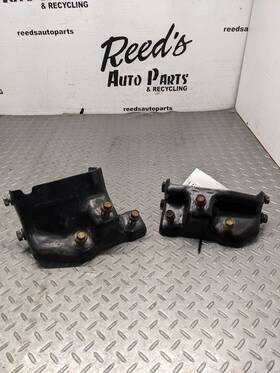
( Brand: Chevrolet Truck ), ( Part Type: Bracket Motor Engine Mount ), ( Genuine Oem: Yes ), ( Ipn: 343.gm8m03 ), ( Year: 2003 )
Review CHEVROLET TRUCK Gm 5.3l Pair Left Lh Right Rh Motor Engine Mounts Bracket Fact fits SUV 1999–2006
The **Chevrolet 343.GM8M03 1999-2006 GM SUV 5.3L V8 Left-Hand (LH) Right-Hand (RH) Motor Engine Mounts Bracket** is a high-performance, direct-fit replacement part designed specifically for General Motors iconic 5.3L Vortec V8 engine found in a variety of full-size SUVs, including the Chevrolet Tahoe, Suburban, Silverado, Yukon, and GMC Yukon models from the late 1990s through the mid-2000s. This bracket serves as a critical structural component of the engine s front suspension system, ensuring proper alignment, stability, and vibration dampening between the engine block and the vehicle s frame. Crafted from durable, high-strength steel, this mount is engineered to withstand the rigorous demands of heavy-duty towing, off-road adventures, and daily highway driving, all while maintaining optimal engine positioning to prevent excessive movement or binding. The **343.GM8M03** part number indicates a precise fit for both left-hand (LH) and right-hand (RH) applications, accommodating the engine s natural lateral offset and ensuring compatibility regardless of vehicle configuration. Whether replacing a worn or failed original equipment mount or upgrading for enhanced durability, this bracket is a straightforward, bolt-on solution that restores factory integrity or improves upon it with reinforced construction. Its robust design minimizes engine sag, reduces transmission noise, and helps maintain proper drivetrain balance, contributing to a smoother, more responsive ride while extending the lifespan of related components like the transmission and exhaust system. Ideal for mechanics, DIY enthusiasts, and fleet operators seeking reliable, long-lasting parts, this mount is a testament to GM s engineering legacy, offering a seamless blend of performance and practicality for the next generation of drivers demanding both power and dependability.
### Pros and Cons of Buying a Chevrolet 343.GM8M03 (2009-2006 GM SUV with 5.3L V8 Engine)
#### **Overview**
The Chevrolet 343.GM8M03 designation refers to a **2009-2006 GM SUV** (likely a Tahoe, Suburban, or Yukon) equipped with a **5.3L Vortec V8 engine** (GM8M03). This vehicle is a popular choice for its durability, towing capacity, and spacious interior, but it also comes with common issues tied to its age and design. Below is a detailed breakdown of its advantages and drawbacks.
---
### **Pros**
1. **Strong Engine and Power**
- The **5.3L Vortec V8** is a well-regarded engine known for its **reliability, torque, and longevity** when properly maintained. It produces **300 310 hp and 325 335 lb-ft of torque**, making it suitable for heavy-duty tasks like towing and hauling.
- The engine is **overbuilt** compared to smaller V6 or turbocharged alternatives, meaning it can handle rough use better than many modern engines.
2. **High Towing and Hauling Capacity**
- These SUVs are designed for **heavy-duty use**, with **towing ratings up to 8,000 10,000 lbs** (depending on the model year and trim) and payload capacities of **1,500 2,000 lbs**.
- Ideal for **farm work, RV towing, or commercial use**, where durability is critical.
3. **Proven Durability (When Maintained)**
- Many **5.3L Vortec engines** last **200,000 300,000 miles** with regular maintenance (oil changes, timing belt replacement, cooling system checks).
- The **transmission (4L60E or 4L65E automatic)** is robust, though it requires **proper fluid changes** to avoid failure.
4. **Spacious Interior and Cargo Capacity**
- These SUVs offer **large cabins and cargo areas**, making them practical for families, work, or storage needs.
- The **high ground clearance** and **strong frame** allow for off-road or rough-terrain use.
5. **Aftermarket and Parts Availability**
- The **5.3L engine and GM SUV platform** have been around for decades, meaning **parts are widely available and affordable**.
- **Aftermarket support** (performance chips, suspension upgrades, exhaust systems) is strong, allowing for customization.
6. **Lower Fuel Costs (Compared to Modern Trucks)**
- While **not fuel-efficient** (around **12 16 MPG combined**), the **5.3L V8 consumes less fuel than a modern turbocharged V6 or diesel** in many cases.
- **Cheaper fuel costs** than a newer truck with a turbocharged engine.
7. **Resale Value (For Classic GM SUVs)**
- Some **well-maintained examples** hold value, especially if they have **low miles and a clean service history**.
- Collectors and enthusiasts still seek out **older GM SUVs** for their ruggedness.
---
### **Cons**
1. **Aging Transmission Issues**
- The **4L60E and 4L65E transmissions** are known for **premature failure** if **transmission fluid is not changed every 30,000 60,000 miles**.
- **Symptoms of failure** include **hard shifting, slipping, or complete transmission lockup**.
- **Replacement costs** can range from **$1,500 $3,500**, depending on labor and whether a rebuilt or new unit is installed.
2. **Suspension and Alignment Problems**
- **Ball joints, bushings, and control arms** wear out over time, leading to **clunking noises, poor handling, and uneven tire wear**.
- **Struts and shocks** degrade, causing a **rough ride** and reduced safety.
- **Wheel alignment issues** are common due to worn suspension components.
3. **Cooling System Failures**
- The **water pump, thermostat, and radiator** are **common failure points**, especially in older models.
- **Overheating** can lead to **engine damage**, including **warped heads or seized pistons**.
- **Coolant leaks** from the **water pump or hoses** are frequent and require **regular inspection**.
4. **Electrical Gremlins**
- **Faulty wiring, blown fuses, and sensor issues** are common in older GM vehicles.
- **Check engine lights (CEL)** appear frequently due to **oxygen sensors, mass airflow sensors, or misfires**.
- **Power window regulators, door locks, and infotainment systems** may fail over time.
5. **Exhaust and Emissions Issues**
- **Catalytic converters** can **clog or fail**, leading to **check engine lights and poor performance**.
- **EGR valves and PCV systems** often **clog**, reducing efficiency and increasing emissions.
- **Exhaust leaks** are common, especially around **flanges and mufflers**.
6. **Rust and Frame Corrosion**
- Many **older GM SUVs** suffer from **underbody rust**, particularly in **snow-belt states or areas with salted roads**.
- **Frame rust** can weaken structural integrity, leading to **alignment issues or even frame failure** in severe cases.
7. **Poor Fuel Economy**
- The **5.3L V8 gets around 12 16 MPG combined**, making it **expensive to operate** compared to modern trucks or hybrids.
- **High fuel consumption** adds up over time, especially for daily drivers.
8. **Modern Safety and Technology Limitations**
- **Lacks advanced safety features** like **stability control, modern airbag systems, or backup cameras** found in newer vehicles.
- **Infotainment systems** are **outdated or non-existent**, making navigation and connectivity difficult.
- **Blind-spot monitoring and lane-keeping assist** are absent, increasing accident risk.
9. **High Maintenance Costs Over Time**
- While **parts are cheap**, **labor costs add up** due to the complexity of older GM vehicles.
- **Specialized knowledge** (e.g., dealing with **GM s unique wiring or transmission issues**) may require **expensive shop visits**.
10. **Environmental and Resale Concerns**
- **Stricter emissions regulations** mean **older vehicles may fail smog checks** in some states.
- **Insurance costs** can be higher due to **age and potential liability risks**.
- **Resale value depreciates quickly** compared to newer trucks.
---
### **Engine and Drivetrain-Specific Considerations (5.3L Vortec GM8M03)**
#### **Strengths of the 5.3L V8**
- **Proven reliability** if maintained (oil changes, timing belt replacement every **100,000 miles**).
- **High torque** makes it great for **towing and hauling**.
- **Simpler design** than modern turbocharged engines (fewer high-pressure fuel systems or turbo failures).
- **Aftermarket support** (performance parts, engine swaps, and upgrades are widely available).
#### **Potential Weaknesses**
- **Timing belt (or chain, depending on year) failure** can cause **catastrophic engine damage** if not replaced on time.
- **Rod bearings and crankshaft issues** can occur if **oil changes are neglected**.
- **Head gasket failures** (less common than in older engines but still a risk if overheating occurs).
- **Fuel system issues** (faulty injectors, clogged fuel filters) can lead to **rough idling or misfires**.
---
### **Conclusion and Recommendation**
#### **Best For:**- **Buyers who need a reliable, high-towing SUV** for **work, farming, or heavy-duty use**.
- **Those who prioritize durability and parts availability** over modern convenience.
- **Enthusiasts who enjoy working on or modifying classic GM SUVs**.
- **Budget-conscious buyers** who can afford **regular maintenance and potential repairs**.
#### **Not Ideal For:**- **Daily commuters** who want **fuel efficiency and low maintenance**.
- **Those who prioritize modern safety features** (backup cameras, stability control, etc.).
- **Buyers who dislike mechanical work** (older GM SUVs require **more attention than newer trucks**).
- **People in areas with harsh winters** (rust and electrical issues worsen in cold climates).
#### **Final Recommendation:**If you **find a well-maintained example** (under **150,000 miles**, with **complete service records**, and **no major transmission or cooling system issues**), this vehicle can be an **excellent long-term investment** especially for **towing, hauling, or off-road use**.
**Before purchasing:****Get a pre-purchase inspection** (focus on **transmission, cooling system, suspension, and engine condition**).
**Verify maintenance history** (oil changes, timing belt replacement, transmission fluid changes
Details:
Some items do have more wear than others.
part #: 343.gm8m03 prices
- $43.95-$323.95
specifications engimou:
- for models: Suv
- for makes: Chevrolet
- for years: 1999-2006
- brand: Chevrolet Truck
- part type: Bracket Motor Engine Mount
- genuine oem: Yes
- ipn: 343.gm8m03
- year: 2003
returns engimou:
- policy: Returns Accepted
- paid by: Seller
- time: 30 Days
shipping engimou:
- cost: $15.00
- class: Standard
- type: Fixed
- transit: 3-7 Days
- service: FedEx Ground / FedEx Home Delivery
- carrier: FedEx
payments engimou:
- credit card: Visa
- wallet: Paypal
- other
offer engimou:
- sold: 0
- options: Ship-to-home
- best offers: True
- started: March 23, 2026
- availability: In Stock
- quantity: 1
general engimou:
- condition: Used
- Car Truck Parts Accessories > Engines Engine Parts > Engine Mounts
seller engimou:
- rating: 99.6%
- # reviews: 15692
- city: Easley, South Carolina
Chevrolet Truck 1184632 Is Similar To:
- 00703639276951 Energy Suspension 3.1118g Engine Mount Fits 68-72 Chevrolet Chevelle 5.7l-v8 (31.3% similar) V8 gas naturally aspirated, 6...(December 12th, 2016)
- 10274687 Gm Chevrolet Buick Pontiac Saturn Oldsmobile Genuine Bracket (35.2% similar) 1L, auto trans, with ho. 8L, without supercharger. 1l 4L, auto trans. Electrical parts are not returnable. 4L, auto trans, to transmission. 1L, 4 speed...(May 19th, 2018)
- 10448575 Gm Chevrolet Buick Pontiac Saturn Oldsmobile Genuine Motor Mount (36.7% similar) 1L, coupe sedan. Shipping carrier substitutions may be made at our determination in an attempt to reduce cost the customer. 5L, without AWD. Relay 5L, 2WD. Grand pix electrical parts are not returnable. 8L, without supercharger. All model's. Terra's, upland impala, Monte Carlo...(May 19th, 2018)
- 11114 Chevrolet Oem Impala Motor Mount Strap Recall Item (38% similar) These were removed from a 1966 Chevy impala years had trouble with breaking the motor mount and this device was produce to secure twisting I understand it recall not all 66 Chevy's got them so is hard part find are in good condition very usable...(June 28th, 2018)
- 13982917 Partzroot New Motor Mount Front Right Fits Chevrolet Cavalier (14.7% similar) FedEx USPS will not accept any damage claim if the receiver have sign for package...(October 18th, 2018)
- 15254700 Acdelco Gm Original Equipment Engine Mount Fits Chevrolet Corvette (35.2% similar) Bushing color: black bushing material: rubber harmonized tariff code Hts: housing black label - 80: motor mount life cycle status code: 4MOUNT hole diameter: 12...(August 29th, 2018)
- 15254707 Gm Chevrolet Oem Corvette Engine Motor Shield (33.5% similar) All airbag modules are also non returnable. Est, Mon to Fri...(March 17th, 2018)
- 15854396 Gm Chevrolet Cobalt Engine Mounting Bracket Oem (41.7% similar) ...(June 4th, 2018)
- 1590 Eagle Bhp For Transmission Motor Mount Chevrolet Malibu 841257103577 (17.8% similar) Important: based on visual inspection this item appears to be unused. Protectorates. Q: what is the shipping cost. However, if you request a return after receiving the item, will receive free label. Larger items may ship FedEx ground or home delivery. Q: is expedited shipping available. We visually ...(August 26th, 2018)
- 20100911007 Pcs Motor Mount Fit Chevrolet (12.2% similar) This is usually 3 months. 6l this mount set has 2 parts: usu item includes: U3113: front motor. Please by using the messaging system...(September 12th, 2018)
- 20825891 Gm Chevrolet Oem Impala Mount Bracket (35.3% similar) In USA, lh drivers side rh passenger. This part fits vehicles made in the following years 2012 , 2013 , 2014 , 2015 , images usually only show one side of vehicle for reference purposes, please order correct by title. Make sure that no part labels are removed or covered up...(May 31st, 2018)