TOYOTA 343.TO1905 Right Passenger Engine Mount Bracket
fits model: Tundra. make: Toyota. year: 2005.
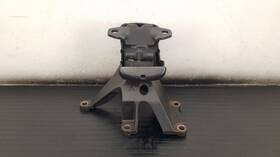
( Part Type: Bracket Engine Mount ), ( Conditions Options: Rh Engine Mount Bracket ), ( Genuine Oem: Yes ), ( Ipn: 343.to1905 )
Review TOYOTA Right Passenger Engine Mount Bracket Oem fits TUNDRA 2005
The **Toyota 343.to1905 2005 Tundra Right Passenger Engine Mount Bracket** is a precision-engineered, high-quality replacement part designed specifically for the 2005 Toyota Tundra, particularly tailored to the 343 engine configuration. This bracket serves as a critical structural component of the vehicle s engine mount assembly, ensuring optimal alignment, stability, and vibration dampening between the engine and the vehicle s chassis. Crafted from durable, heat-resistant materials, this bracket is built to withstand the rigors of daily driving, heavy loads, and off-road conditions, which are common for the Tundra s robust yet demanding applications. The design adheres to Toyota s original specifications, guaranteeing a seamless fit with the factory engine mounts, suspension, and frame, thereby maintaining the vehicle s intended performance and handling characteristics. Whether you re restoring a classic Tundra, upgrading an existing engine mount system, or addressing wear and tear from years of use, this bracket offers a reliable, long-lasting solution that minimizes engine movement, reduces stress on the drivetrain, and contributes to a smoother, more comfortable ride. Its compatibility with the right passenger-side mount ensures balanced weight distribution and proper engine positioning, which is essential for both safety and longevity of the powertrain. Built to meet or exceed OEM standards, this bracket is an excellent choice for enthusiasts and professionals alike who demand quality and precision in their modifications or repairs.
### Pros and Cons of Buying a Replacement Right Passenger Engine Mount Bracket for a 2005 Toyota Tundra (Part Number: 343.TO1905)
#### **Pros:**1. **Improved Ride Comfort and Stability** A worn or damaged engine mount can cause excessive engine movement, leading to a rough ride, vibrations, and even rattling noises. Replacing the bracket helps restore proper engine positioning, reducing unwanted motion and improving overall vehicle stability.
2. **Prevents Further Damage** If the engine mount is cracked, broken, or excessively worn, it can lead to more severe issues, such as damage to the engine, transmission, or suspension components. Replacing it early prevents costly repairs down the line.
3. **Reduces Noise and Vibration** A failing engine mount can transmit engine vibrations through the vehicle, creating a clunking or rattling sound, especially over rough roads or during acceleration. A new bracket eliminates these noises, making the cabin quieter.
4. **Maintains Engine Alignment** Engine mounts help keep the engine in place, ensuring proper alignment with the transmission and other drivetrain components. A faulty mount can cause misalignment, leading to poor shifting, driveline vibration, or even transmission damage.
5. **Extends Engine and Suspension Life** By preventing excessive movement, a new engine mount reduces stress on the engine mounts, suspension bushings, and drivetrain components, helping them last longer.
6. **OEM or High-Quality Aftermarket Options** Toyota s original equipment (OEM) parts are designed for durability and compatibility. High-quality aftermarket alternatives (such as those from Mann, Febi, or Dorman) often provide similar reliability at a lower cost.
7. **DIY-Friendly Installation** While some engine mount replacements require specialized tools (like a torque wrench and engine hoist), many Tundra owners find the process manageable with basic mechanical knowledge. This saves labor costs if tackled as a DIY project.
---
#### **Cons:**1. **Cost of Replacement** Engine mounts are not cheap, especially if purchasing OEM parts. Aftermarket options are usually more affordable but may vary in quality. Labor costs at a shop can add significantly to the total expense.
2. **Potential for Additional Wear** If the engine mounts or related components (such as the transmission mounts or subframe bushings) are also worn, replacing just one bracket may not fully resolve vibration or noise issues. A full inspection may be necessary.
3. **Time-Consuming Installation** Replacing an engine mount requires lifting the engine slightly (or removing it in some cases) to access the bracket. This can take several hours, especially for inexperienced DIYers. If done professionally, it may require a shop visit, adding to the cost.
4. **Risk of Reusing Other Worn Parts** If other mounts or bushings (e.g., the left passenger mount, sway bar links, or subframe bushings) are degraded, replacing just one bracket may not provide long-term relief. A thorough inspection is recommended.
5. **Quality Variability in Aftermarket Parts** While many aftermarket engine mounts are reliable, some cheaper alternatives may fail prematurely or lack the durability of OEM parts. Researching brands and reading reviews can help mitigate this risk.
6. **Potential for Misalignment Issues** If not installed correctly, a new engine mount could cause engine misalignment, leading to rough shifting, driveline vibration, or even transmission damage. Proper torque specifications must be followed.
7. **Warranty Considerations** If the vehicle is still under warranty, replacing an engine mount may void certain coverage if aftermarket parts are used. Checking with Toyota or the dealership beforehand is advisable.
---
### **Conclusion:**Replacing a worn right passenger engine mount on a 2005 Toyota Tundra is a **necessary repair** if the mount is cracked, broken, or causing excessive engine movement. The benefits such as improved ride quality, reduced noise, and prevention of further damage far outweigh the drawbacks in most cases. However, the cost and labor involved should be weighed against the urgency of the issue.
If the mount is failing visibly (e.g., cracks, excessive play, or rattling), **replacing it promptly is recommended** to avoid more serious (and expensive) problems. If the vehicle is still under warranty, using OEM parts or consulting a dealership may be the safest option. For those comfortable with mechanical work, a DIY replacement can save money, but caution should be exercised to ensure proper installation.
### **Recommendation:**- **Prioritize replacement** if the mount is visibly damaged or causing noticeable vibrations/noise.
- **Choose OEM or a reputable aftermarket brand** (e.g., Mann, Febi, or Dorman) for reliability.
- **Inspect related components** (left mount, subframe bushings, sway bar links) during the repair to avoid future issues.
- **Consider professional installation** if unsure about the process, as improper installation can lead to alignment or driveline problems.
- **Budget for the full cost** (parts labor if applicable) to avoid unexpected expenses from related wear.
For a 2005 Tundra, this repair is a **cost-effective preventive measure** that can save money in the long run by avoiding more severe engine or drivetrain damage.
Details:
specifications engimou:
- for models: Tundra
- for makes: Toyota
- for years: 2005
- part type: Bracket Engine Mount
- conditions options: Rh Engine Mount Bracket
- genuine oem: Yes
- ipn: 343.to1905
offer engimou:
- sold: 0
- quantity: 1
- availability: In Stock
- options: Ship-to-home
- started: April 2, 2026
returns engimou:
- paid by: Buyer
- policy: Returns Accepted
- time: 60 Days
shipping engimou:
- transit: 5-12 Days
- cost: $30.00
- carrier: UPS, FedEx, USPS
- service: UPS Ground Saver, FedEx Ground Economy, Economy, USPS Ground Advantage
- type: Fixed
- class: Economy, Standard
general engimou:
- condition: Used
- Car Truck Parts Accessories > Engines Engine Parts > Engine Mounts
payments engimou:
- wallet: Paypal
- other
- credit card: Visa
seller engimou:
- # reviews: 1007
- rating: 100.0%
- city: Rancho Cordova, California
Toyota Is Similar To:
- 0g151331 Toyota Oem Prius Fwd Hybrid Automatic Transmission Flywheel (14.5% similar) Make sure to inspect the item thoroughly in pictures above before buying. What you see in the pictures is exactly get, unless mentioned otherwise...(November 7th, 2018)
- 104-1520 Engine Mount Rear Fits Toyota Camry (38.6% similar) Our team of certified car quest counter pros are Best in the biz. So forget the rest and try Best. You won't be disappointed...(September 12th, 2018)
- 104-1808 Engine Mount Front Fits Toyota (36.7% similar) Location: RM1, box 15...(August 20th, 2018)
- 104-1903 Engine Torque Strut Fits Toyota Camry (32.8% similar) Brand: beck anally part number: item condition: new: engine torque strut manufacturer brand quantity needed: 1 position: front...(September 2nd, 2018)
- 104-2185 Engine Torque Strut Fits Toyota Sienna (32.5% similar) All parts come with a 1-YEAR warranty and 30-DAY return period. That section provides detailed information about the part and compatible vehicles...(March 6th, 2019)
- 104-2312 Engine Mount Front Fits Toyota Prius (34.8% similar) At adopts...(September 11th, 2018)
- 104-2352 Engine Mount Rear Fits Toyota (37% similar) Telephone hours 9:00 am - 5:00 pm est. Wiki auto parts inc. Engine mount rear beck anally fits toyota RAV4 if you want to do not hesitate fill out our form and team will attend as soon possible...(November 17th, 2018)
- 1166 Rodatech Engine Motor Mount For Toyota Paseo Tercel Front Right (34.8% similar) Each product is quality inspected and 100 tested. Shipping our free offer is only valid for the continental USA. Oe-comparable mounting provisions ensure precise fit. 5l 4 speed this item includes: one year warranty. Matrix parts service corp. Parts free of any damages and must have all hardware. ...(December 11th, 2018)
- 12305-21060 Toyota Engine Mount (37.6% similar) ...(April 23rd, 2018)
- 12305-22240 1230522240 Autoacer Engine Mount New Motor For Toyota Corolla Matrix Pontiac (38% similar) Brand new premium quality fits oem...(June 2nd, 2018)
- 12305-28220 Toyota Scion Genuine Side Bracket (40% similar) Shipping carrier substitutions may be made at our determination in an attempt to reduce cost the customer. Manual trans. Electrical parts are not returnable. Parts must be resalable and in the original packaging...(March 18th, 2019)