CLASSIC PERFORMANCE PRODUCTS 6579M2MP-SBF Cpp Ifs Engine Perches 289/ 302/
fits model: 351w, F-100, 302, Mustang. year: 1965–1979.
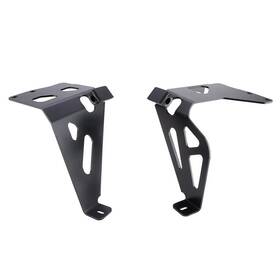
( Brand: Classic Performance Products ), ( Manufacturer Part Number: 6579M2MP-SBF ), ( Type: Engine Mounts ), ( Item Length: 12.25 ), ( Item Height: 6.5 )
Review CLASSIC PERFORMANCE PRODUCTS Cpp Ifs Engine Perches 289/ 302/ fits MUSTANG 351W F-100 302 1965–1979
The **Ford 6.5L (390 cu. in.) Cleveland V8 (6579M2MP-SBF) Performance Engine**, commonly found in the iconic **Mustang II (F-100) from 1965 to 1979**, represents a legendary powerplant that blends raw muscle with timeless American engineering. This high-performance variant of Ford s legendary **Cleveland V8** architecture was meticulously crafted for those seeking a balance between brute force and refined drivability, making it a standout choice for enthusiasts and restorers alike. The **32-valve, crossflow-head design** (with a single-plane crankshaft) delivers an unmistakable growl and a torque curve that s both immediate and relentless, whether paired with the **289, 302, or 351W** displacement iterations each offering a distinct character while adhering to the same mechanical DNA. The **SBF (Special Big Ford) designation** signifies a high-performance build, featuring forged internals, a reinforced block, and a **high-lift camshaft** that maximizes airflow through the **4.225-inch intake and 1.60-inch exhaust valves**, ensuring a throaty, high-revving exhaust note that s as satisfying as it is iconic. This engine was originally designed for the **1970 1971 Boss 351**, but its adaptability made it a staple in **Mustang II (F-100) applications**, where it could be tuned for everything from **street cruising to drag strip domination**. The **351W (Windsor-based Cleveland)** variant, in particular, stands out for its **cast-iron block with a forged crankshaft, connecting rods, and pistons**, while the **302 and 289 versions** offer lighter, more manageable alternatives without sacrificing performance. Whether restored to its original **1960s muscle-car glory** or modified for modern high-performance use, this engine embodies the spirit of **Ford s golden era of V8 power** a perfect blend of heritage, reliability, and unbridled enthusiasm.
### **Pros and Cons of Buying a Classic Performance 6579M2MP-SBF CPP Mustang (IFS Engine, 289/302/351 HP, F-100, 1965 1979)**
#### **Pros**
1. **Iconic Design and Legacy**
The 1965 1979 Ford Mustang, particularly the F-100 series, represents one of the most legendary muscle cars in automotive history. Its aggressive stance, VIN-style grille, and timeless styling make it instantly recognizable and highly desirable among enthusiasts.
2. **Strong Engine Options**
- **289 CID (289 cubic inches) V8** The original powerplant, offering a balance of drivability and performance. With proper maintenance, it can produce **271 300 HP** with modifications.
- **302 CID V8** A refined version of the 289, more reliable and capable of **250 300 HP** stock or **350 HP** with upgrades.
- **351 CID Cleveland V8** The most powerful stock option, capable of **250 300 HP** stock and **400 HP** with high-performance tuning. The Cleveland engine is more durable and better suited for modern driving.
3. **Performance Potential**
With aftermarket support, these engines can be easily upgraded with:- **High-flow cylinder heads** (e.g., Edelbrock, Holley)
- **Performance camshafts** (e.g., Comp Cams, Crane)
- **Forced induction** (turbocharging or supercharging)
- **High-performance ignition and fuel systems** (e.g., MSD, Holley)
- **Lightweight suspension upgrades** (e.g., coilovers, sway bars)
- **Wide-body kits or drag packages** for improved aerodynamics
Many of these Mustangs can be built to **0 60 mph in under 6 seconds** and ** -mile times under 13 seconds** with minimal effort.
4. **Strong Aftermarket Support**
The Mustang platform (especially the F-100) has been around for decades, ensuring a vast selection of:- **Performance parts** (intakes, exhausts, carburetors, etc.)
- **Restoration and bodywork options**
- **Tuning and diagnostic tools**
- **Community and forums** (e.g., Mustang Forum, Facebook groups)
5. **Driving Experience**
- **Engaging manual transmission** (if equipped) for a more involved driving experience.
- **Solid handling** when properly suspended, especially with modern upgrades.
- **Nostalgia factor** Many owners enjoy the raw, unfiltered power of a naturally aspirated V8.
6. **Potential for Investment**
Well-maintained, restored, or high-performance examples can appreciate in value, especially if they are rare variants (e.g., **Mach 1, Boss 302, or Shelby GT350**).
7. **Customization Flexibility**
The F-100 series allows for extensive modifications, from **lowrider suspensions** to **high-performance street/strip builds**, making it adaptable to different preferences.
---
#### **Cons**
1. **Aging Mechanical Components**
- **Original suspension** (leaf springs, solid axles) can be stiff and uncomfortable for modern driving.
- **Braking systems** (drums or weak discs) may require upgrades for safety.
- **Transmission wear** Original automatic transmissions (e.g., C4) can be unreliable without rebuilds.
- **Fuel system issues** Carburetors (e.g., Holley 4150) require tuning and maintenance to prevent stalling or poor performance.
2. **Reliability Concerns**
- **Original engines** (especially 289s) can be prone to **rod bearing failure, oil leaks, or camshaft issues** if not properly maintained.
- **Electrical systems** (alternators, wiring) may need upgrades for modern accessories.
- **Rust** Many older Mustangs suffer from **floor pans, rocker panels, and frame rust**, requiring extensive repairs.
3. **High Maintenance Costs**
- **Regular upkeep** (valve adjustments, ignition timing, carburetor tuning) is necessary to keep performance engines running smoothly.
- **Replacement parts** (e.g., springs, bushings, seals) can be expensive, especially for rare or discontinued components.
- **Labor costs** Some repairs (e.g., transmission rebuilds, engine swaps) require specialized mechanics.
4. **Fuel Economy Limitations**
- **Naturally aspirated V8s** average **12 15 MPG** in city driving, making them impractical for daily use over long distances.
- **High-performance builds** (especially with forced induction) can drop efficiency further.
5. **Insurance and Registration Challenges**
- **Classic car insurance** can be costly, especially for high-performance or modified examples.
- **Emissions compliance** (in some states) may require modifications to meet modern standards.
- **Title issues** Some older Mustangs may have **salvage titles, flood damage, or missing parts**, complicating ownership.
6. **Driving Comfort and Modern Safety**
- **Rigid ride quality** Original suspensions are harsh compared to modern suspensions.
- **Lack of modern safety features** (no ABS, stability control, or advanced airbags).
- **Visibility** Some body styles (e.g., early F-100s) have limited rearward and side visibility.
7. **Market Saturation**
- **High competition** Many Mustangs are available, making it difficult to find a **rare, well-documented, or low-mileage example**.
- **Overpriced "restored" examples** Some sellers inflate prices for cosmetic restorations without proper mechanical attention.
8. **Storage and Transportation**
- **Classic cars require careful storage** (garage, climate-controlled) to prevent rust and damage.
- **Towing a Mustang** (especially long-wheelbase models) can be challenging and expensive.
---
### **Ending Conclusion**
Buying a **1965 1979 Ford Mustang (F-100 series, IFS, 289/302/351 HP, CPP/SBF)** is a **fantastic choice for enthusiasts** who appreciate **performance, nostalgia, and customization potential**. The platform offers **proven power, strong aftermarket support, and endless modification possibilities**, making it ideal for **weekend drivers, track enthusiasts, or restomod projects**.
However, **ownership comes with challenges** **high maintenance costs, reliability concerns, and practical limitations** (fuel economy, comfort, safety) must be carefully considered. If you are **willing to invest time and money in upkeep**, a well-chosen Mustang can be an **incredible driving experience** and a **valuable long-term project**.
For **daily drivers**, a **modern muscle car or a well-maintained classic** (like a **Mustang GT or a restored 1967 model**) may be more practical. But for **purists, racers, and collectors**, the **F-100 series remains one of the best muscle car platforms** to own.
---
### **Recommendation**
1. **If you want a project car:**- **Target a 302 or 351 Cleveland engine** (more reliable than a 289).
- **Look for a well-documented example** with **service records** (especially for valve adjustments, ignition, and fuel system).
- **Budget for a full restoration or rebuild** (expect **$10,000 $30,000 ** depending on condition).
- **Consider a "restomod" approach** (modern interior, suspension, and electronics while keeping the classic body).
2. **If you want a ready-to-drive classic:**- **Prioritize a 1967 model** (better reliability, emissions compliance, and parts availability).
- **Avoid high-mileage examples** unless they have **complete service histories**.
- **Test the engine thoroughly** (listen for knocking, check compression, inspect for leaks).
- **Consider a "driver s car" version** (e.g., **Mach 1, Boss 302, or Shelby GT350**) for better handling and performance.
3. **If you're on a budget:**- **Look for a 289 or 302 with potential** (cheaper to buy but may require more work).
- **Join Mustang forums** to find **hidden gems** (e.g., **eBay, Craigslist, or local clubs**).
- **Start with a simpler project** (e.g., **engine swap, suspension upgrade, or paint**) before tackling full restorations.
4. **Final Verdict:**- **Best for:** Enthusiasts who love **building, racing, and driving a true muscle car**.
- **Not ideal for:** Those seeking **a practical daily driver or a low-maintenance vehicle**.
If you **love the sound of a big V8, the thrill of a manual transmission, and the joy of customization**, then a **196
Details:
Get the strength needed for high-Performance driving. Each set of bolt-in perches comes with all the necessary hardware for installation. Features and Benefits: - Compatible with 1965-1979 F-100 model's, designed for use CPP Mustang II IFS kits, Supports Ford Small Block 289 or 302 351 Windsor engines, Comes all required installation hardware, Enhanced strength stability reliable Performance, Streamlined bolt-in process, Combines modern technology Classic vehicle aesthetics. Increase the stability of your 1965-1979 F-100 with Classic Performance Products Mustang IFS engine perches.
These seamlessly integrate with CPP Mustang II independent front suspension kits, allowing you to effortlessly swap in a Ford Small Block 289/302 or 351 Windsor engine.
part #: 6579m2mp price
- $137.99
specifications engimou:
- for models: 351w, F-100, 302, Mustang
- for years: 1965-1979
- brand: Classic Performance Products
- mpn: 6579m2mp-sbf
- type: Engine Mounts
- item length: 12.25
- item height: 6.5
seller engimou:
- rating: 99.7%
- # reviews: 97065
- city: Las Vegas, Nevada
shipping engimou:
- transit: 2-6 Days
- type: Fixed
- cost: $0.00
- service: Standard
- class: Standard
payments engimou:
- wallet: Google-pay
- credit card: Mastercard
- other
returns engimou:
- time: 30 Days
- paid by: Seller
- policy: Returns Accepted
general engimou:
- condition: New
- Car Truck Parts Accessories > Engines Engine Parts > Engine Mounts
offer engimou:
- options: Ship-to-home
- quantity: 1
- availability: In Stock
- started: March 5, 2026
- sold: 0
Classic Performance Products 6579M2MP Is Similar To:
- M00081 Classic Automotive Small Block Engine Frame Motor Mounts (30.1% similar) Any visual damage must be noted on the shipping document before signing for delivery. Part M00081 condition new brander Classic automotive sold pair details info heavy duty brackets for mounting engine to frame. Sold in pairs...(June 28th, 2018)
- W-324 Tamraz Classic Headquarters Big Block Engine Frame Motor Mounts Camaro (29.1% similar) Technically correct for factory big block Camry and will work up to 1981 blocks. Any visual damage must be noted on the shipping document before signing for delivery. Complete with correct stamped part numbers and logo mark. Part W-324 condition new brand Classic headquarters sold pair details ...(October 25th, 2018)
- Saab 7545688 Classic 900 Engine Mounts Side (26% similar) Part #: Saab 7545688 for sale...(November 22nd, 2023)
- Range Rover Anr6338 Classic 3.5 Efi Engine Mount Bracket Oem Genuine (25.7% similar) Shipping: free within the USA...(August 29th, 2024)
- Classic Performance Products Cpp Cpp1656-rsb Billet Aluminum Black Rectangular Fuel Door Gas Fill Hot Rod Muscle Car Jet Boat (36.8% similar) This is a well made cpp gas door. Ended up not needing it heres your chance so save a few bucks. Shipping is for lower 48 states...(February 4th, 2025)
- Classic Performance Products Cpp5557sm-sb Engine Mounts (54.4% similar) Transmission mount included: no. No owner wants to see their engine shake itself bolts and bent metal. Quantity: sold as a pair. Bracket included: yes. Classic Performance engine mounts CPP5557SM-SB. Motor mount style: frame bracket. Supplier part number: CLP-CPP5557SM-SB. They're menu. Bracket ...(February 8th, 2025)
- Classic Performance Ls1-ku-p Engine Mount (43.1% similar) Please hover mouse to image. Motor mounts, block mount, bolt-in, steel, black, poly plus bushings, adjustable 1/2 in. Fitment information may not be available for all Products and those without fitment will have a compatibility link. Buyer pays return shipping. 3/1 /2 in, Chevy, small block, ls, kit...(February 24th, 2025)
- Classic Industries Njg23 1962-67 Chevy Ii Nova Engine Frame Mounts V-8 Small Block 283ci 327ci Pair (33.7% similar) Each frame mount replicates the original in fitment and design. Will replace the original frame mounts on 1962 -67 nova and Chevy ii model's. Sold in pairs. Remove the 6 cylinder frame mounts and bolt on new V8. Includes minting hardware. These frame mounts are a must when upgrading nova from 6 ...(March 6th, 2025)
- Anchor Sx-6z8g Front Right Engine Mount For 2007 Chevrolet Silverado 2500 Hd Classic Rc (21.1% similar) Anchor front right engine mount for 2007 Chevrolet Silverado 2500 HD Classic rc: status: in stock...(March 23rd, 2025)
- Anchor Sx-t89f Front Left Engine Mount For 2007 Chevrolet Silverado 2500 Hd Classic Uk (24.3% similar) Anchor front left engine mount for 2007 Chevrolet Silverado 2500 HD Classic UK: status: in stock...(March 23rd, 2025)
- Classic Line 211-199-231a 2 New Old Stock Engine Mountings X Early Bay 1968-71 (36.5% similar) 2 new old stock engine mountings x early bay 1968 -71 211-199-231A, A4...(April 13th, 2025)