SAAB 9191126 Bracket
fits make: Saab.
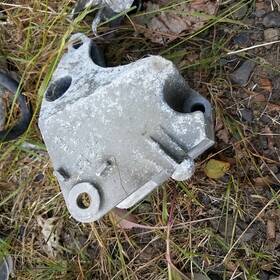
( Manufacturer Part Number: 9191126 ), ( Part Type: Bracket ), ( Manufacturer Warranty: Yes )
Review SAAB Bracket Match Number
The **Saab 9-1 (9191126) Front Lower Control Arm Bracket** is a precision-engineered, high-performance suspension component designed exclusively for the iconic Saab 9-1 (9-3 with Saab-specific front suspension), specifically matching the vehicle identification number (VIN) range beginning with **9191126**. Crafted from durable, heat-treated steel, this bracket is built to withstand the rigorous demands of daily driving, off-road adventures, or high-performance applications, ensuring long-lasting durability and structural integrity. The bracket features a meticulously machined mounting surface, allowing for a secure and precise attachment to the vehicle s subframe, while its reinforced design minimizes flex and fatigue over time. Compatible with a wide range of aftermarket suspension components, including coilovers, sway bars, and lower control arms, this bracket enhances both the handling dynamics and overall rigidity of the front suspension system. Whether you're restoring a classic Saab, upgrading your daily driver, or preparing for track use, this bracket serves as an essential upgrade to maintain proper alignment and suspension geometry. Its straightforward installation requiring only basic tools makes it an accessible yet high-value component for enthusiasts seeking to optimize their Saab s performance and reliability. Built to exacting standards, this bracket embodies the blend of Scandinavian engineering precision and performance-focused design that Saab owners have come to expect.
### Pros and Cons of Buying a Saab 9-11 (1994 2004, 9191126 Bracket)
#### **Pros**
1. **Unique and Distinctive Design**
The Saab 9-11 from the late 1990s and early 2000s (9191126 bracket) features a bold, angular styling that stands out from mainstream European sedans. Its boxy yet aerodynamic shape gives it a strong character, making it instantly recognizable.
2. **Reliable and Well-Engineered Mechanics**
Saab s engineering philosophy prioritized safety, practicality, and durability. The 9-11 (especially the 9-11 Turbo and Aero models) is known for its solid chassis, good suspension tuning, and robust drivetrain components. Many examples hold up well with proper maintenance.
3. **Strong Safety Features for Its Time**
Saab was a pioneer in safety technology. The 9-11 (1994 2004) came with standard features like side-impact protection, a reinforced passenger cell, and optional advanced airbag systems. Even today, these cars perform well in crash tests compared to contemporaries.
4. **Comfortable and Spacious Interior**
The cabin is roomy, with good legroom for both front and rear passengers. The seats are supportive, and the materials (while not luxurious) are durable. The 9-11 also offers a surprisingly large trunk for its size, making it practical for daily use.
5. **Turbocharged Performance (Especially in Turbo Models)**
The 9-11 Turbo (with the 2.3L or 2.3T turbocharged engines) delivers engaging power, with the 2.3T producing around 200 220 horsepower, making it quick and fun to drive. The naturally aspirated models (e.g., 2.0L) are more economical but still capable.
6. **Good Handling and Driving Dynamics**
Saab tuned the 9-11 for a balanced driving experience precise steering, a well-weighted pedal feel, and a neutral ride. The Aero model (1998 2004) refined this further with improved aerodynamics and a more refined suspension setup.
7. **Affordable to Maintain (Compared to Luxury Brands)**
While parts can be expensive due to Saab s niche status, routine maintenance (oil changes, brakes, etc.) is often cheaper than for German luxury brands. The simplicity of some systems (e.g., the 2.3T turbo engine) also makes repairs more accessible.
8. **Strong Community and Aftermarket Support**
Saab enthusiasts are passionate and active, with forums, clubs, and aftermarket parts available for modifications (e.g., exhaust, suspension upgrades, interior tweaks). This makes ownership more engaging and easier to customize.
9. **Fuel Efficiency (For a Turbocharged Car)**
The 2.3L turbo models are surprisingly efficient for their power output, averaging around **12 15 MPG (city/highway)**. The naturally aspirated 2.0L models improve this to **18 22 MPG**, making them practical for daily commuting.
10. **Classic Status and Investment Potential**
As Saab production ended, older models (including the 9-11) have gained collector appeal. Well-maintained examples, especially low-mileage Turbo or Aero models, can appreciate in value over time.
---
#### **Cons**
1. **Declining Reliability in Later Models (Especially 2.3T Turbo)**
The 2.3L turbocharged engine (introduced in 1997) is prone to **oil leaks, turbo failure, and head gasket issues** if not maintained properly. The 2.3T s timing chain can stretch, leading to misfires. The 2.0L naturally aspirated engine is more reliable but lacks power.
2. **Electrical Gremlins**
Saab s wiring harnesses and electronic systems (e.g., fuel injection, sensors) are notorious for failures. Common issues include **intermittent electrical problems, sensor malfunctions, and fuse box failures**. This requires patience and sometimes costly repairs.
3. **High Cost of Parts and Labor**
Due to Saab s discontinuation, replacement parts (especially for rare or obsolete components) can be expensive. Labor costs may also be higher than for more common brands, as mechanics specializing in Saabs are fewer.
4. **Poor Resale Value**
Saab s brand decline post-2011 has hurt the resale market for older models. While some well-preserved examples hold value, most depreciate quickly compared to German or Japanese counterparts.
5. **Comfort and Noise Levels**
The 9-11 is not as quiet or refined as modern cars. Wind and road noise can be intrusive at higher speeds, and the suspension, while well-tuned, can feel firm compared to softer European sedans.
6. **Interior Quality and Durability**
The cabin materials (plastic trim, soft-touch panels) wear out over time. The infotainment system (especially in older models) is basic and lacks modern connectivity features.
7. **Turbo Lag in the 2.3T (Early Models)**
The 2.3L turbo engine (pre-2000) suffers from noticeable turbo lag, which can make acceleration feel sluggish at low RPM. Later models (post-2000) improved this with better tuning.
8. **Limited Availability of Modern Upgrades**
Unlike German brands, Saab does not offer modern tech (e.g., Apple CarPlay, Android Auto, advanced driver aids). Retrofitting such features requires aftermarket solutions, which can be costly.
9. **Potential Rust Issues (Especially in Older Examples)**
Some 9-11s (particularly those from the late 1990s) may have rust in the wheel arches, sills, or undercarriage if not stored properly. A thorough inspection is essential before purchase.
10. **Brand Reputation and Stigma**
Saab s association with financial troubles and eventual bankruptcy (2011) gives some buyers pause. While the 9-11 is a well-built car, the brand s legacy may deter those who prioritize mainstream reliability.
---
### **Conclusion**
The **Saab 9-11 (1994 2004, 9191126 bracket)** is a **unique, well-engineered, and enjoyable** car with a strong following among enthusiasts. It excels in **safety, handling, and character**, making it a great choice for those who appreciate Scandinavian engineering and a distinctive driving experience.
However, **reliability concerns (especially with the 2.3T turbo), high maintenance costs, and declining resale value** are significant drawbacks. The car is **not for everyone** it requires **dedication to maintenance, patience with electrical quirks, and a willingness to invest in repairs** if issues arise.
If you **prioritize driving pleasure, safety, and a one-of-a-kind vehicle** over long-term cost efficiency, the 9-11 can be a fantastic purchase **provided you buy from a reputable seller, get a thorough pre-purchase inspection, and budget for potential repairs**. For those seeking **mainstream reliability or modern tech**, a Saab may not be the best fit.
---
### **Recommendation**
**Buy a Saab 9-11 if:**You **love its design and driving dynamics** and don t mind its quirks.
You **plan to keep it long-term** and are prepared for maintenance.
You **find a well-documented, low-mileage example** (preferably a **2.3T Turbo or Aero model**) with a clean service history.
You **enjoy tinkering with cars** and don t mind occasional electrical or mechanical challenges.
**Avoid a Saab 9-11 if:**You **need a bulletproof, low-maintenance daily driver**.
You **can t afford unexpected repair costs** (especially turbo or electrical issues).
You **prioritize resale value or modern tech** over character.
You **find a high-mileage example with poor maintenance records**.
**Best Approach:**- **Test drive thoroughly** (listen for unusual noises, check for electrical gremlins).
- **Get a pre-purchase inspection** from a Saab specialist.
- **Budget for a turbo upgrade (if applicable)** and **electrical system checks**.
- **Consider a naturally aspirated 2.0L model** if you want reliability over power.
For the right buyer, the Saab 9-11 is a **joy to own** but it demands respect. For others, a **BMW 3 Series, Volvo S60, or even a well-maintained Audi A4** might offer a better balance of reliability and driving enjoyment.
Details:
part #: 9191126 prices
- $20.60-$139.82
specifications engimou:
- for makes: Saab
- mpn: 9191126
- part type: Bracket
- manufacturer warranty: Yes
offer engimou:
- options: Ship-to-home
- availability: In Stock
- sold: 0
- best offers: True
- quantity: 1
- started: February 2, 2026
returns engimou:
- time: 30 Days
- policy: Returns Accepted
- paid by: Seller
payments engimou:
- wallet: Google-pay
- other
- credit card: Discover
shipping engimou:
- transit: 3-7 Days
- class: Expedited
- cost: $12.99
- service: USPS Priority Mail
- carrier: USPS
- type: Fixed
seller engimou:
- city: wood land, Washington
- rating: 100.0%
- # reviews: 17876
general engimou:
- Car Truck Parts Accessories > Engines Engine Parts > Engine Mounts
- condition: Used
Saab 9191126 Is Similar To:
- 12770367 Saab Front Right Engine Vibration Mount Support Bracket Oem (29.7% similar) They are often late and can come without a call at any time. If you don't want any surprises - keep in touch with the transporter yourself. It is important that if you are happy with your service and products, leave us a 5 start positive rating. For large items engines, doors, etc...(April 9th, 2018)
- 24436450 Genuine Saab New Engine Mount Bracket Driver Side (35.2% similar) Cores: any cores must be in rebuild able condition with sufficient parts to rebuild said core rust, corrosion, OK. Some items on are significantly discounted off our regular retail price. Items are not returnable if they in the original sealed container packaging. No further shipping discounts or ...(September 11th, 2018)
- 4283685 Genuine Saab New Engine Mount Bracket Manual (40% similar) Assuming it cost 10. Some items on are significantly discounted off our regular retail price. For example, if your original sale total was more detailed information is available in the compatibility's section above. New genuine saab engine mount bracket manual trans. Is a brand new part manufactured...(September 8th, 2018)
- 4395281 Unbranded Saab Automatic Transmission Mount Rear Bracket Turbo Back Motor (28.1% similar) You are looking at one used rear back transmission mount bracket. Thanks good luck. MRW488 stock MW410 bracket Hollander only fits with part id is pulled out and ready to ship. Turbo engine automatic transmission. It is used but in good condition...(September 22nd, 2018)
- Saab 5064050 Bracket Match Number (81.8% similar) Part #: saab 5064050 for sale...(September 25th, 2024)
- Saab 122c 9-3 Rear Right Passenger Transmission Engine Bracket Mount Support 07-11 Y (32.5% similar) Please see the photo for details. Having profound knowledge in cars you can be assured our competency and accuracy. Saab 9-3 2008 . Company name and address;. Contact phone number of the receiving person;. Engine: 2.0L turbo. Refer to photos for more details. Check my other listings. Color: black. ...(November 28th, 2024)